 +90 532 379 97 07
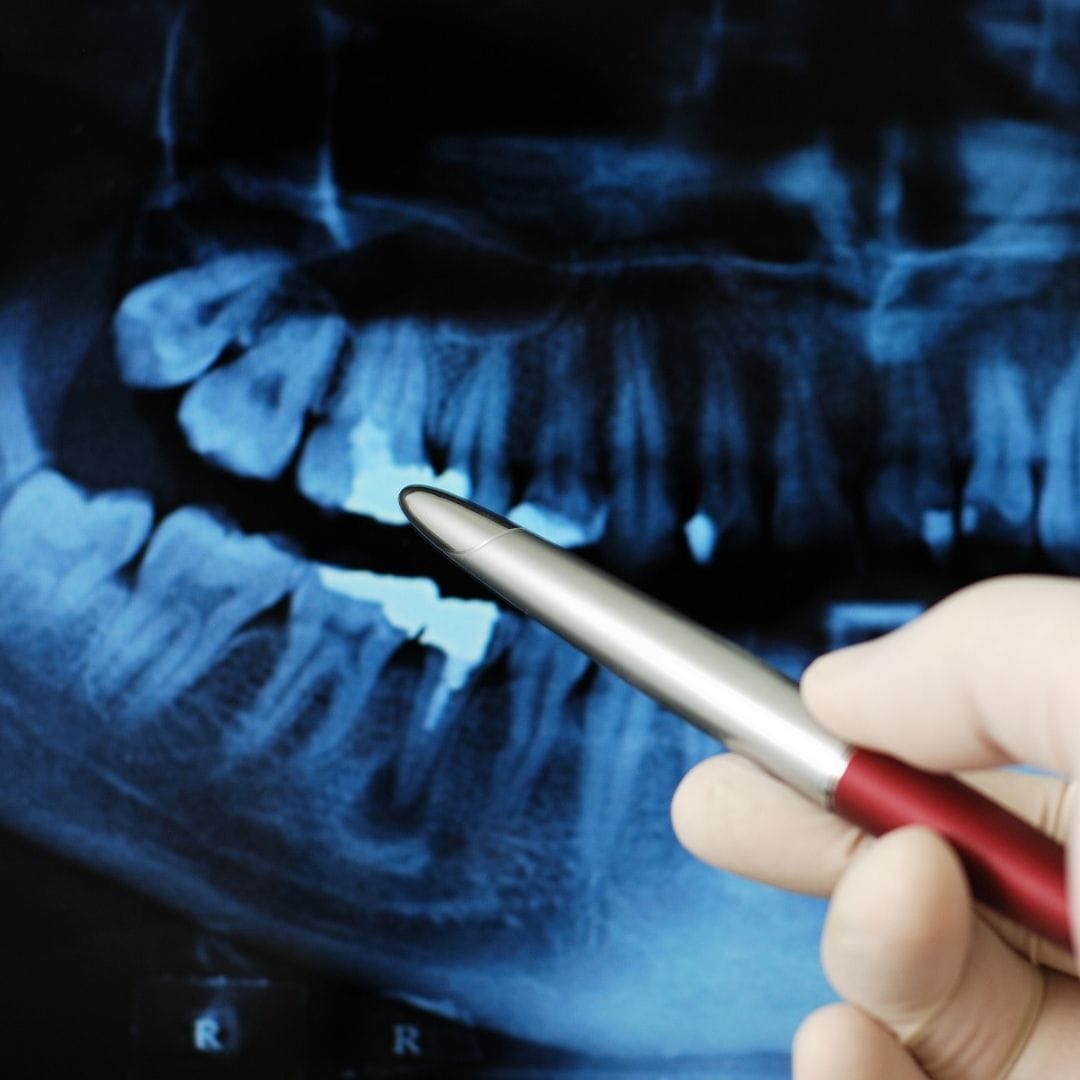
Severe upper jaw bone loss can make standard dental implants difficult or impossible without major grafting. For some patients, zygomatic implants offer another route: they anchor into the cheekbone instead of relying only on thin upper jaw bone.
The important point: zygomatic implants are not a shortcut for every patient. They are a specialist option for selected cases after clinical examination, medical history review and 3D imaging.
At Lara Smile Dental Clinic, zygomatic implant treatment is planned for patients who need fixed teeth despite severe upper jaw bone loss. The first visit can provide fixed temporary teeth, while the final permanent bridge is fitted after healing and clinical checks.
1. What Are Zygomatic Implants?
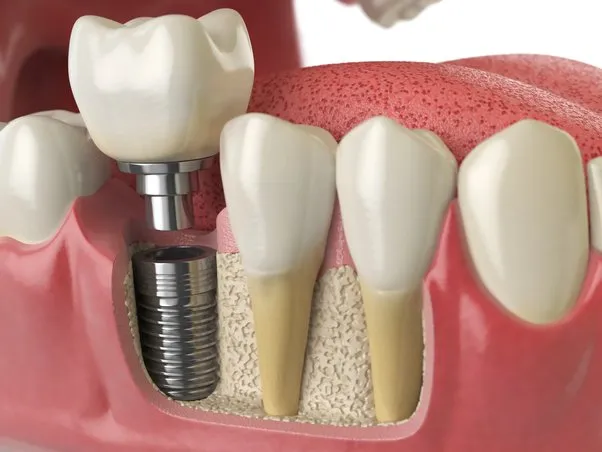
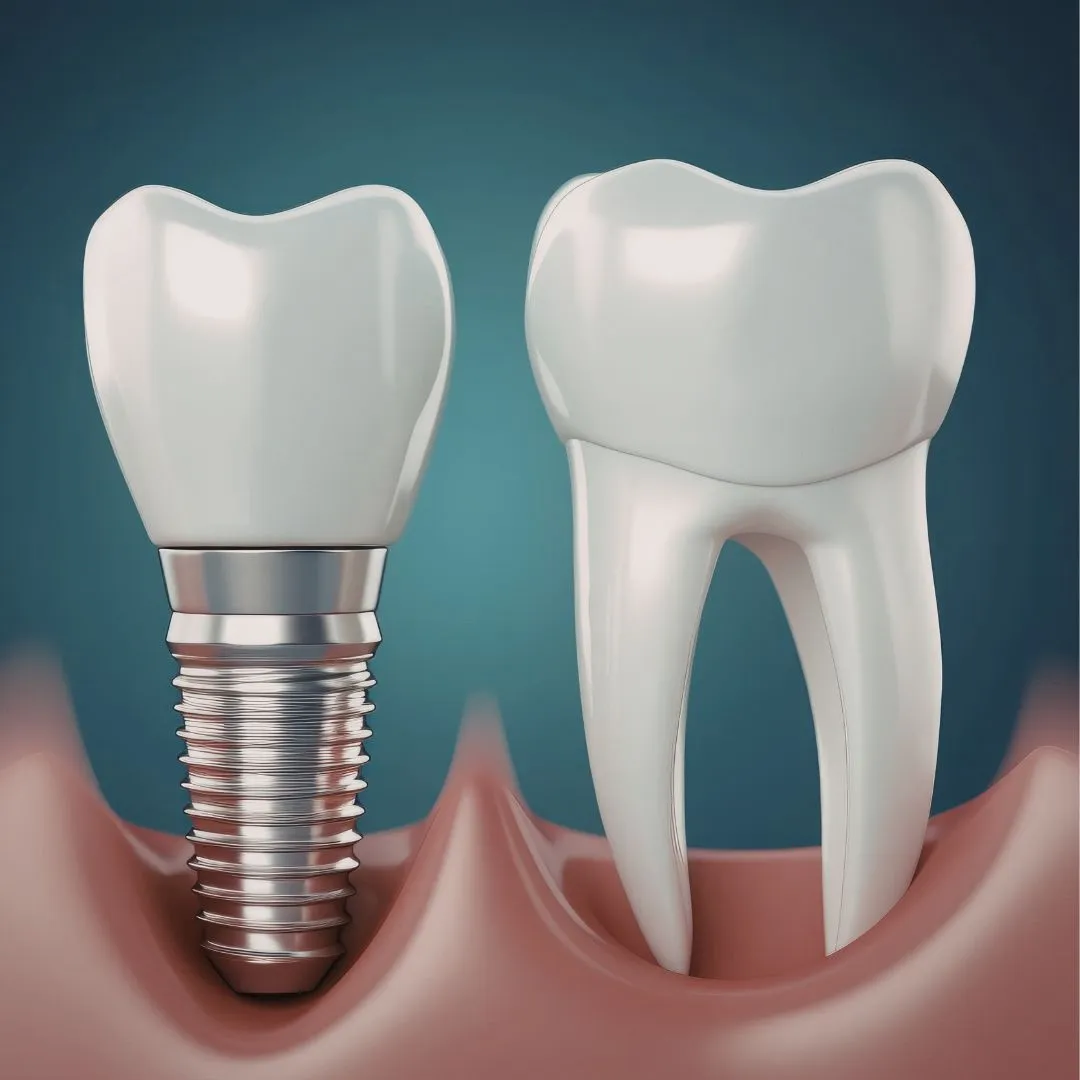
Zygomatic implants are longer dental implants designed for the upper jaw. Instead of depending only on the maxillary jawbone, they are anchored into the zygomatic bone, commonly called the cheekbone.
This approach may be considered when the upper jaw has lost too much bone for conventional implants and when bone grafting is not ideal, not preferred or not clinically efficient.
Evidence
Systematic reviews in implant dentistry describe zygomatic implants as a recognised option for severely atrophic maxilla cases. These studies also emphasise that the procedure requires specialist planning and careful case selection.
Clinical Interpretation
In practical terms, zygomatic implants are mainly relevant when the upper jaw has too little bone for standard implants. They should not be presented as a routine replacement for conventional implant treatment.
2. Who May Need Zygomatic Implants?
Zygomatic implants may be discussed for patients with severe upper jaw bone loss who cannot receive standard implants safely or predictably.
Common reasons include:
- Long-term denture use with advanced bone shrinkage
- Previous failed implants or failed bone grafts
- Severe maxillary atrophy
- Large sinus spaces leaving limited bone for conventional implants
- A wish to avoid extensive grafting when a zygomatic approach is clinically suitable
Not every patient with bone loss needs zygomatic implants. Some patients can still be treated with conventional implants, sinus lift, bone grafting or implant-supported dentures.
Clinical note: The final decision requires CBCT imaging, oral examination, medical history review and discussion of alternative options. Photos or online messages alone are not enough for a definitive zygomatic implant plan.
3. How Treatment Works at Lara Smile
The exact sequence can vary by case, but the general pathway is:
- Initial assessment: medical history, dental history, expectations and photo review.
- 3D planning: CBCT scan and clinical examination to assess bone, sinus anatomy and implant positions.
- Anaesthesia planning: zygomatic implant surgery is planned under general anaesthesia, subject to medical clearance.
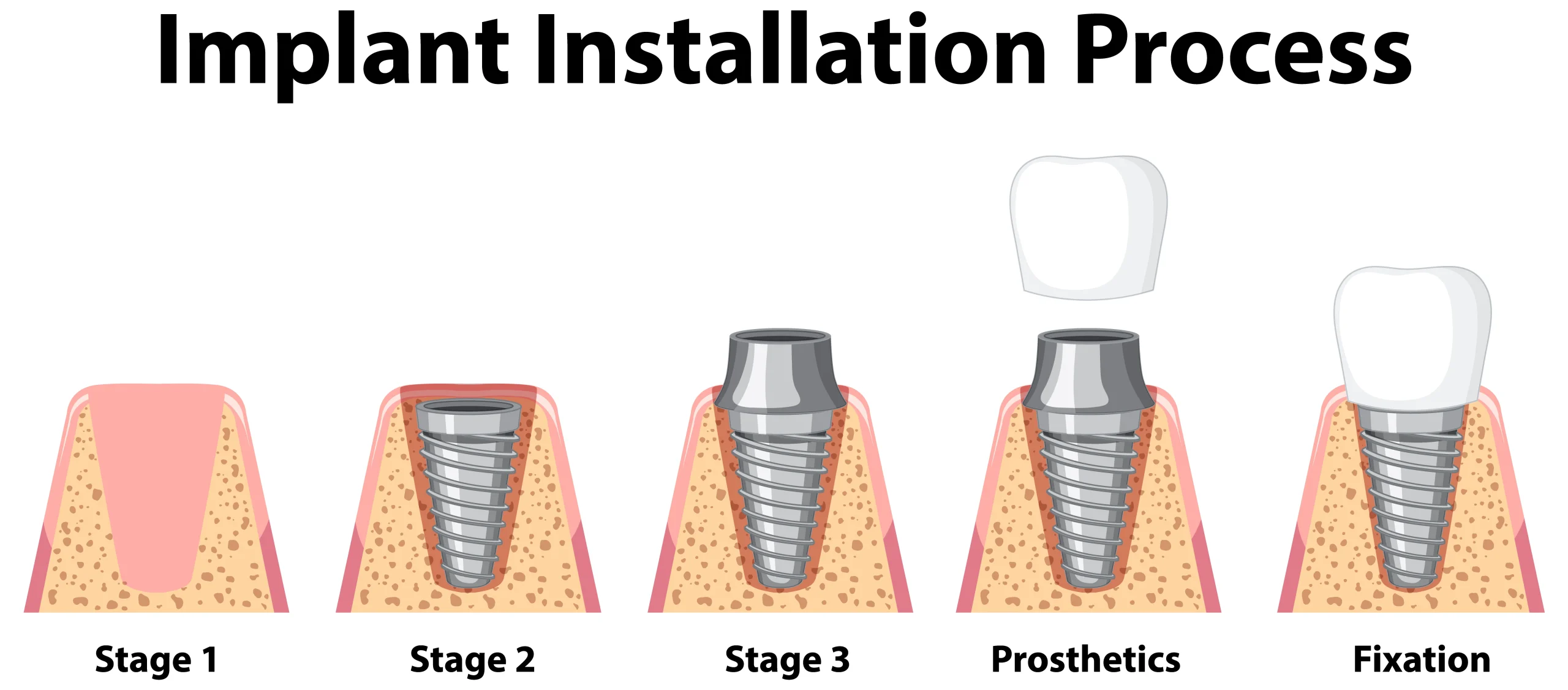
- Implant surgery: zygomatic implants are placed in the upper jaw by anchoring into the cheekbone region.
- Fixed temporary teeth: a provisional fixed bridge may be fitted during the first treatment visit when clinically appropriate.
- Healing phase: the implants integrate and the soft tissues stabilise.
- Final bridge: permanent teeth are fitted after healing, bite checks and final prosthetic planning.
This does not mean the final permanent bridge is fitted immediately. The first fixed teeth are temporary and are designed to protect the treatment while healing takes place.
Ask for a free implant assessment
4. Temporary Teeth vs Permanent Teeth
This distinction is clinically important.
Fixed temporary teeth are used during the healing period. They help the patient avoid removable dentures while the implants and tissues stabilise.
Permanent teeth are made later, after healing. They require final measurements, bite analysis, aesthetic planning and material selection.
For this reason, marketing claims that suggest an immediate final bridge should be treated cautiously. In complex zygomatic implant cases, the safer wording is fixed temporary teeth first, final permanent bridge later.
5. Benefits of Zygomatic Implants
When they are suitable, zygomatic implants can offer several advantages:
- They may avoid or reduce the need for large bone grafts.
- They can provide fixed upper teeth in cases where standard implants are not possible.
- They use the cheekbone, which is often more stable than severely resorbed upper jaw bone.
- They may shorten the overall pathway compared with staged grafting in selected cases.
Important limitation: these benefits apply only when the patient is clinically suitable. They should not be presented as guaranteed outcomes.
6. Risks and Limitations
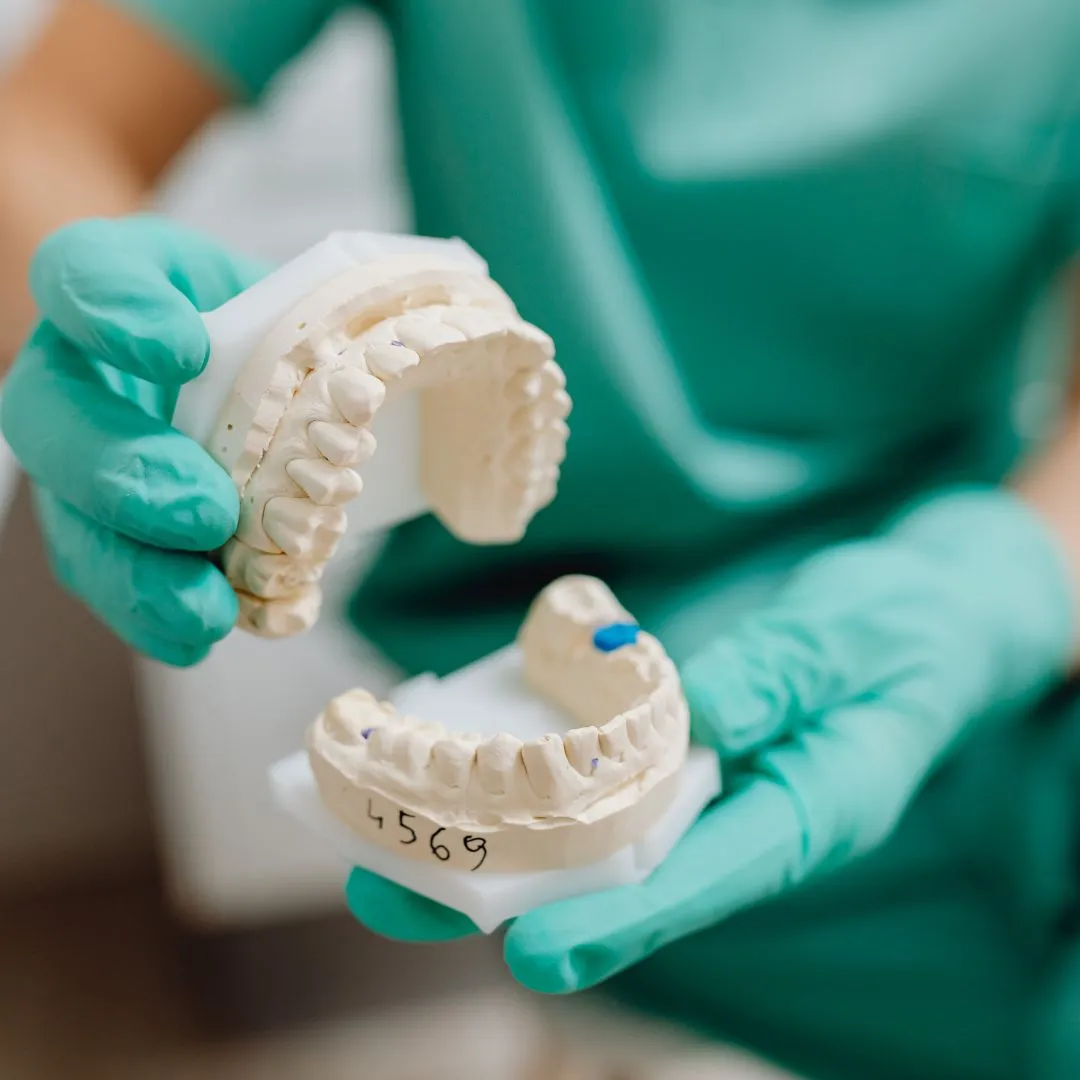
Zygomatic implant surgery is more complex than standard implant placement. Reported complications can include:
- Sinus-related symptoms or sinusitis
- Soft tissue irritation or inflammation
- Infection
- Temporary swelling, bruising or discomfort
- Prosthetic complications such as screw loosening or bridge repair
- Implant failure, although this is not common in experienced hands
Evidence
Recent systematic reviews generally report high survival rates for zygomatic implants, but the studies vary in design, follow-up duration and surgical protocols.
Clinical Interpretation
Survival data should be used as guidance, not as an individual guarantee. The patient-specific risk depends on anatomy, general health, oral hygiene, surgical planning and follow-up care.
7. Zygomatic Implants vs Bone Grafting
Both options can be valid. The stronger option depends on the patient's anatomy, health, expectations and treatment goals.
| Option | Potential advantage | Potential limitation |
|---|---|---|
| Zygomatic implants | May avoid extensive grafting and allow fixed temporary teeth in selected severe upper jaw cases. | Technically complex; requires specialist planning and has sinus-related considerations. |
| Bone grafting + conventional implants | Uses standard implant positions after rebuilding bone. | Can require staged surgery, longer healing and graft-related uncertainty. |
| Removable denture | Less invasive and usually lower cost. | Less stable than fixed teeth; may not meet chewing or comfort expectations. |
Clinical interpretation: zygomatic implants are usually strongest when the main problem is severe upper jaw bone loss and the patient wants fixed teeth without extensive grafting, provided the risk profile is acceptable.
8. Zygomatic Implant Costs in Turkey vs the UK
Costs depend on the number of implants, whether conventional implants are combined in the same upper arch, the bridge material, general anaesthesia, diagnostic scans and follow-up needs.
Reliable public UK price benchmarks are limited because zygomatic implants are specialist private treatment. For general private dental implants, UK providers often publish single implant costs in the thousands of pounds, and full-arch implant treatment can be significantly higher.
Turkey is often less expensive because of lower operating costs, local lab costs and package-based international treatment planning. However, price alone should not be the deciding factor for zygomatic implants.
Cost note: The figures in this article should not be treated as a Lara Smile quote. A reliable price requires scans, clinical assessment and a written treatment plan.
9. What Makes a Patient Suitable?
A patient may be suitable if the clinical assessment confirms:
- Severe upper jaw bone loss
- Enough zygomatic bone support
- Acceptable sinus anatomy
- Medical fitness for general anaesthesia
- Realistic expectations about temporary and final teeth
- Commitment to hygiene, reviews and long-term maintenance
A patient may not be suitable if there are uncontrolled medical risks, active infection, poor oral hygiene, unrealistic expectations or anatomical limitations that make the procedure unsafe.
10. Key Takeaway
Zygomatic implants can help selected patients with severe upper jaw bone loss receive fixed teeth when standard implants are not possible. The treatment is specialist, not routine.
The safest summary is:
- Zygomatic implants are mainly for severe upper jaw bone loss.
- They are placed under general anaesthesia at Lara Smile, subject to medical clearance.
- The first visit provides fixed temporary teeth, not final permanent teeth.
- The final bridge is fitted after healing and clinical checks.
- A personalised plan requires CBCT imaging and specialist assessment.
Frequently Asked Questions
Can zygomatic implants replace all upper teeth?
Yes, in selected cases they can support a full upper fixed bridge. The exact number and position of implants depends on the scan and treatment plan.
Are the first fixed teeth temporary or permanent?
They are temporary. The first visit can provide fixed temporary teeth. Final permanent teeth are fitted later after healing and clinical checks.
Is general anaesthesia required?
At Lara Smile, zygomatic implant surgery is planned under general anaesthesia, subject to medical assessment and anaesthesia clearance.
Are zygomatic implants used in the lower jaw?
No. Zygomatic implants are an upper jaw solution because they anchor into the cheekbone. The lower jaw requires different implant planning.
Are zygomatic implants safer than bone grafting?
There is no universal answer. Zygomatic implants may be stronger for some severe upper jaw bone loss cases, while grafting may be more appropriate for others. The decision depends on anatomy, health and treatment goals.
Evidence Sources
- PubMed, 2022 systematic review - clinical outcomes and complications of zygomatic implants.
- International Journal of Implant Dentistry, 2023 review - indications and clinical considerations for zygomatic implants.
- PubMed, 2023 long-term outcomes review/meta-analysis - survival and complication data.
- NHS dental treatments - UK patient context for dental treatment options.
- Bupa Dental Care UK - general UK dental implant cost context.
Considering Zygomatic Implants Abroad?
At Lara Smile Dental Clinic, our international team provides personalised dental implant treatment plans for patients from the UK and across Europe.
If you have been told you do not have enough upper jaw bone for implants, contact the clinic for a scan-based assessment and a written treatment plan.
Contact us today for a free implant consultation and tailored treatment plan.