 +90 532 379 97 07
Most of us brush our teeth simply to avoid cavities, plaque, or bad breath. However, scientists have increasingly been pursuing a much larger and more striking question: could long-term gum inflammation (periodontitis) be linked to the negative changes in our memory and cognitive abilities as we grow older?
Current research does not definitively prove that gum disease directly causes dementia or Alzheimer’s. Nevertheless, it does highlight a strong and growing body of evidence associating poor oral health, tooth loss, and cognitive decline in later life. This sobering reality demonstrates exactly why even a simple bit of bleeding when brushing should be taken seriously.
1. What Do the Studies Actually Find?
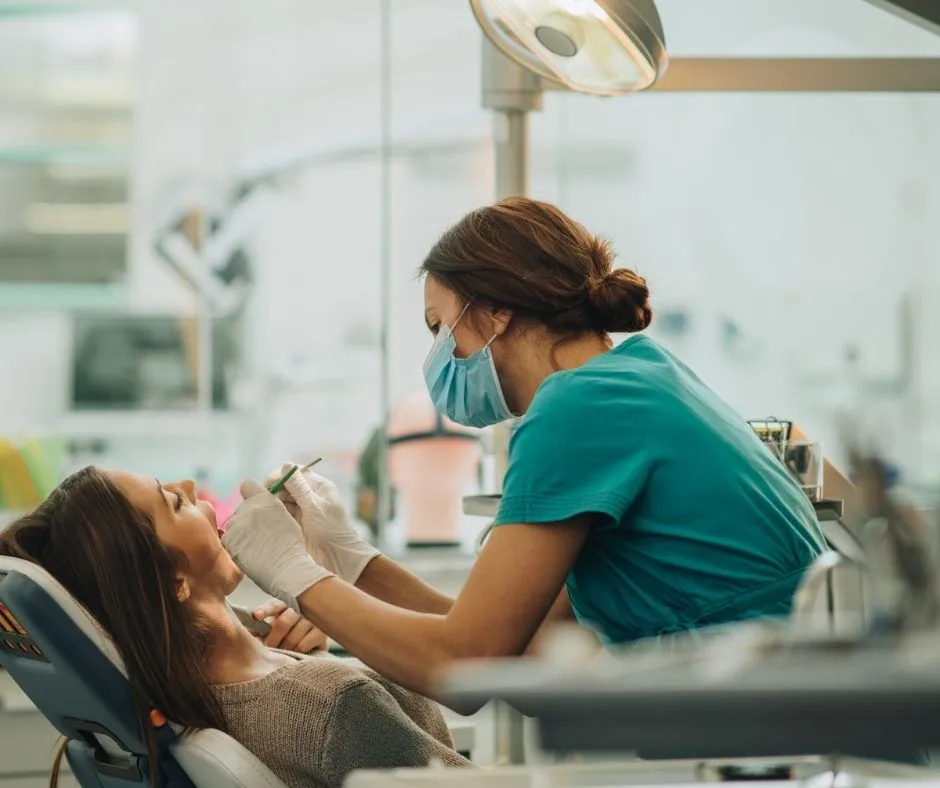
By following large groups of patients over many years, researchers compare dental health markers (such as gum inflammation, periodontal pockets, or tooth loss) with general health outcomes later in life. In several prestigious studies, older adults with poorer gum health were found to have a significantly higher likelihood of experiencing cognitive decline or being diagnosed with dementia.
The key takeaway here is “association”, not necessarily “cause and effect”. Other factors like smoking, diabetes, cardiovascular risks, socioeconomic status, nutrition, and a lack of regular dental care can all play a role. Yet, even when scientists adjust for these variables, the link between a healthy mouth and a healthy brain remains remarkably robust.
Do Not Ignore the Early Warning Signs: Bleeding whilst brushing or flossing, persistent bad breath, gum recession, tenderness, teeth feeling a bit “wobbly”, or food constantly getting trapped are signals you must not ignore. Gum disease often progresses silently, but early intervention is always much simpler and less invasive.
2. How Could the Mouth and the Brain Be Connected?
Biologically speaking, the mouth is not a sealed box isolated from the rest of the body. When gums are chronically inflamed, the weakened tissues allow bacteria and inflammatory chemicals to enter the bloodstream with ease. Scientists are currently exploring how this long-term, low-grade inflammation throughout the body might damage tissues elsewhere, including the brain. (For instance, Porphyromonas gingivalis, a bacterium responsible for gum disease, has been discovered in the brain tissue of some Alzheimer’s patients).
There is also a very practical, everyday aspect to consider: when chewing becomes difficult due to loose or missing teeth, people naturally gravitate towards softer foods that are often less nutritious. Over time, this leads to poor nutrition—and a decline in general health directly impacts brain health as we age.
3. Does Gum Disease Cause Dementia?
Based on current data, it would be scientifically inaccurate to say “yes” outright. There is a high probability of a two-way street: individuals experiencing early-stage cognitive decline (memory issues, early dementia, etc.) often begin to neglect their daily routines, including brushing, flossing, and visiting the dentist. This, in turn, causes existing gum issues to deteriorate rapidly.
The safest and most beneficial conclusion to draw is this: Healthy gums are an integral part of healthy ageing. Looking after your oral health is a risk-free, highly rewarding investment that ensures your comfort, confidence, and the longevity of your natural teeth.
4. What You Can Do Today to Protect Your Oral and Brain Health
Do not strive for perfection; simply build a sustainable routine:
Two Minutes, Twice a Day: Brush gently along the gumline using a soft-bristled toothbrush.
Clean Between Your Teeth (Daily): Use dental floss or interdental brushes. A bit of bleeding is normal at first, but if it persists for more than a week or two, you should see a dentist.
Book Regular Check-ups: If it has been a while since your last proper scale and polish, book an appointment.
Replace Missing Teeth: Gaps are not just an aesthetic issue; they affect your ability to chew and can cause remaining teeth to shift. Restoring your bite with implants or bridges brings back your chewing efficiency.
Extra Vigilance for High-Risk Groups: If you are diabetic or a smoker, your risk of severe gum disease is significantly higher. You will likely need more frequent dental reviews.
5. The Cost of Fear and Delaying Treatment
Many people are well aware they need a deep clean, periodontal care, or a replacement for a missing tooth, but they put it off due to the cost, lack of time, or dental phobia. The problem is that gum disease does not heal on its own; it only progresses. Missing teeth ruin your bite and place excessive strain on your remaining teeth, accelerating further tooth loss.
If you are considering travelling abroad for treatment (such as dental tourism) to manage costs, it is vital to choose clinics that offer transparent pricing, provide a clear aftercare plan, and are honest about the limitations of your treatment, not just the benefits.
6. Modern Solutions at Lara Smile Dental Clinic (Antalya)
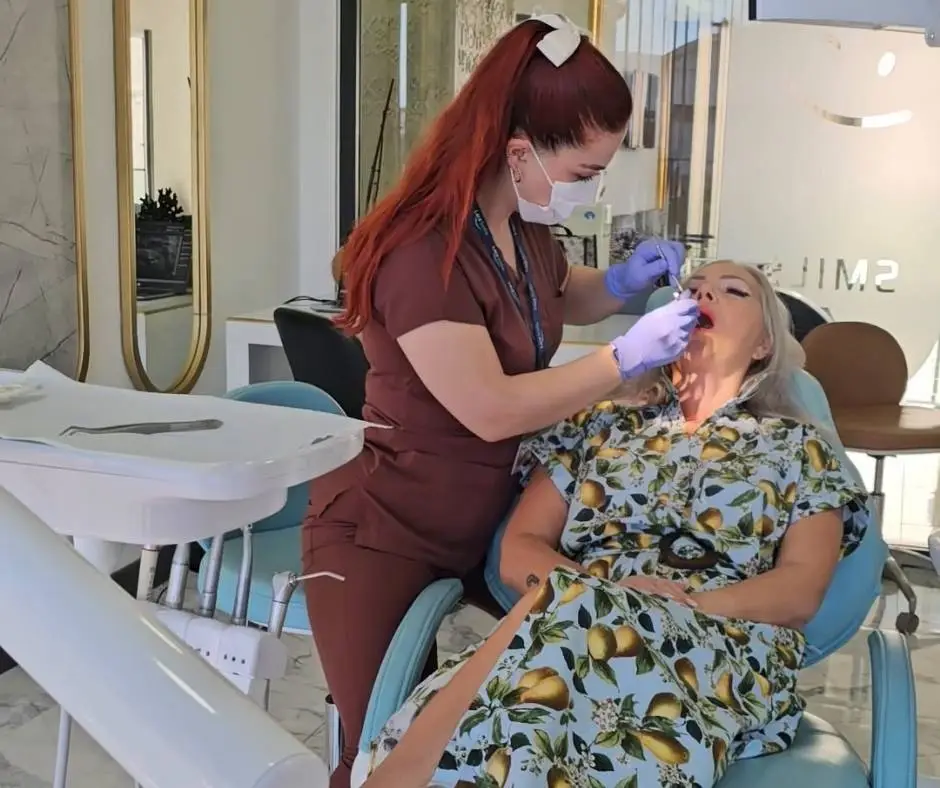
Understanding the critical impact of oral health on overall wellbeing, Lara Smile Dental Clinic builds its gum treatments around meticulous diagnostics. The clinic provides professional cleaning, periodontal assessments, and targeted therapies designed to reduce inflammation and stabilise the gums. Where teeth have been lost, restorative options like dental implants or crowns are successfully implemented, provided your gum and jawbone health are suitable.
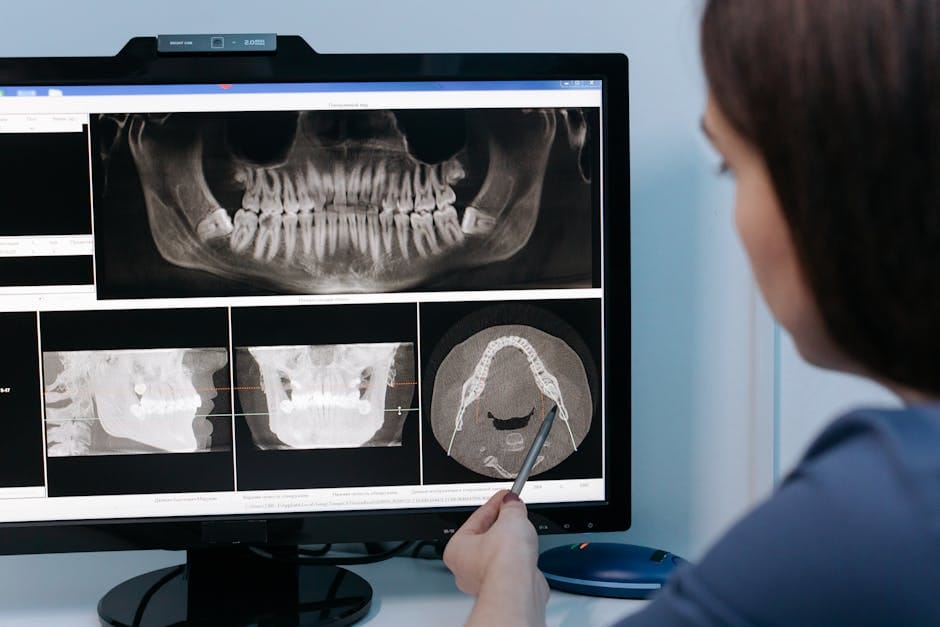
Because every patient’s biology and dental structure is unique, the safest first step is always a thorough preliminary assessment—often supported by 3D dental tomography—followed by a written, personalised treatment plan for your approval.
Start with Your Personalised Plan If you have a recent X-ray and can briefly outline your symptoms, expert teams can provide you with potential treatment options, estimated timeframes, and indicative costs. This allows you to make a fully informed decision before you even book your flights.
Remember: looking after your mouth doesn’t just mean looking after your smile; it means looking after your memories and your mind for the years to come.
7. Conclusion
Start with a personalised, no-obligation plan
Share a recent dental X-ray (if you have one) and a short description of your symptoms. The team can outline likely options, estimated timelines, and indicative costs — so you can make an informed decision before booking travel.
What we can help with
Periodontal (gum) assessment and treatment planning
Professional cleaning and hygiene guidance
Replacing missing teeth (implants/crowns where suitable)
Clear aftercare and follow-up guidance for international patients
Patient stories
Instead of quoting exact “price vs UK” claims, consider using this safer framing:
Many international patients tell us they value three things most: clear communication in English, a written plan before travel, and a clinic experience that feels calm and organised. You can explore patient journeys and outcomes via our video and gallery pages.
Internal: Videos: https://larasmile.com/videos/
Real Patient Testimonials
Emma, Years 64, City London
I was quoted £15,000 in the UK. At Lara Smile, I got it all done for a third of the price plus a holiday!
Bernd, Years 59, City Berlin
I couldn’t chew properly for years. After All on 6, I eat steak again and feel 20 years younger.”
Frequently Asked Questions (FAQs)
Current research shows an association, not proof of cause and effect. Gum disease and cognitive decline appear to be linked, but scientists are still studying why.
Long-term gum inflammation may contribute to wider inflammation in the body. Researchers are exploring whether this could influence brain health over time.
Some large studies suggest a link between tooth loss and reduced cognitive performance. However, this does not prove that losing teeth directly causes dementia.
Bleeding when brushing, bad breath, gum recession, tenderness, or loose teeth. Early stages are often painless, so routine checks matter.
There is no clear evidence that treatment prevents dementia. However, managing gum disease improves oral health, comfort, and overall wellbeing.
Contact
📍 Address: Güzeloba, Lara Turizm Yolu, 07230, Muratpaşa/Antalya
📞 24/7 Emergency WhatsApp: +90 532 379 97 07
🌐 Web: larasmile.com
📧 Email: info@larasmile.com
Lara Smile Dental Clinic: Your Treatment in Antalya,