 +90 532 379 97 07
Dental veneers have become one of the most widely chosen cosmetic dentistry solutions for patients seeking a more balanced, natural-looking smile. For many individuals across the UK and Europe, veneers offer a practical way to address aesthetic concerns such as discolouration, uneven tooth shape, gaps, or worn enamel — without extensive dental intervention. One of the most common questions patients ask at the very beginning of this process is not simply about appearance, but about choice.
Which type of veneer is most suitable?
How do material, shape and colour affect the final result?
What should patients realistically expect from the outcome?
This guide is designed to answer those questions in a clear, reassuring and practical way.
Choosing dental veneers is not about selecting a single option that works for everyone. Modern cosmetic dentistry offers different veneer materials, design approaches and shade options, each suited to specific dental needs, aesthetic goals and lifestyle considerations. Understanding these variables allows treatment to be planned carefully and results to be tailored to the individual — rather than forced into a one-size-fits-all solution.
For patients considering veneers, clarity plays a key role in confidence and satisfaction. Knowing how veneer types differ, how shapes influence facial harmony, and how colour selection impacts natural appearance can make the entire decision-making process feel calmer and more predictable.
This article focuses on how dental veneers are classified by type, shape and colour, how these elements are typically selected, and how patients and dentists work together to achieve balanced, realistic results. It is not a treatment guide and does not replace individual clinical advice. Instead, it provides a structured overview to help you understand the foundations of veneer planning — before you ever sit in the dental chair.
By understanding how material choice, design and aesthetics come together, patients are better placed to make informed decisions and to approach their smile transformation with realistic expectations and long-term confidence.
Understanding Dental Veneers and How Treatment Is Planned
One of the defining aspects of modern cosmetic dentistry is that dental veneer treatment is carefully planned and structured, rather than decided on an ad-hoc basis. Veneers are not applied as a generic solution; instead, they are designed around individual tooth structure, facial proportions and aesthetic goals. This approach allows dentists to achieve natural-looking results while preserving as much healthy tooth tissue as possible.
For patients considering veneers, this planning process plays a crucial role in overall satisfaction and long-term success. Before any treatment begins, dentists typically assess dental images, enamel condition and bite alignment to determine whether veneers are suitable and which type will deliver the best outcome. This ensures that material choice, shape and colour are selected with purpose, rather than guesswork.
Advance planning is not about rigid cosmetic templates. Instead, it provides a clear framework that helps patients understand what veneers can realistically achieve, how the smile will change, and what level of durability and maintenance to expect. This clarity is particularly important for those seeking subtle, natural enhancements rather than overly artificial results.
From a patient perspective, knowing that veneer treatment is thoughtfully planned in advance brings reassurance. Rather than focusing solely on appearance, the process balances aesthetics with function, comfort and oral health. The result is a treatment journey that feels controlled, predictable and aligned with long-term confidence — not just short-term visual improvement.
How Dental Veneers Are Planned for Natural Results
One of the defining features of modern veneer treatment is that it is carefully planned in advance, rather than decided during a single appointment. Dental veneers are not applied as a generic cosmetic solution; instead, they are designed around individual tooth structure, facial proportions and aesthetic goals. This structured approach helps achieve natural-looking outcomes while preserving as much healthy enamel as possible.
For patients considering veneers, this planning process plays a crucial role in overall comfort, predictability and long-term satisfaction. Before treatment begins, dentists typically assess dental photographs, digital scans and enamel condition to determine whether veneers are suitable and which material, shape and shade will deliver the best result. This allows expectations to be aligned early and reduces uncertainty later in the process.
Advance planning does not mean rigid cosmetic templates. On the contrary, it provides a clear framework that supports personalised decisions and realistic outcomes. By balancing aesthetics with function and oral health, veneer treatment becomes a controlled, thoughtful process—one that prioritises natural appearance, durability and patient confidence, rather than short-term visual change alone.

How Dental Veneer Treatment Is Typically Planned
Understanding how dental veneer treatment is planned helps patients feel more confident and informed from the outset. Unlike general cosmetic procedures, veneers are not applied spontaneously; they are designed through a structured planning process that considers tooth condition, facial harmony and long-term oral health.
Rather than making decisions chairside, veneer planning is usually carried out in defined stages. This approach allows dentists and patients to agree on material, shape and colour in advance, reducing uncertainty and ensuring predictable, natural-looking results.
Initial Assessment: The Foundation of Veneer Planning
The planning process typically begins with a detailed clinical assessment. During this stage, dentists evaluate enamel thickness, tooth alignment and bite dynamics, alongside the patient’s aesthetic expectations.
Typical elements of the initial assessment include:
Review of dental photographs and digital scans
Evaluation of enamel suitability for veneers
Discussion of desired aesthetic outcome
This step ensures that veneers are recommended only when appropriate and that expectations remain realistic.
Design Phase: Material, Shape and Colour Selection
Once suitability is confirmed, the focus shifts to design decisions. Veneer treatment is highly individual, and choices made at this stage have a significant impact on the final appearance.
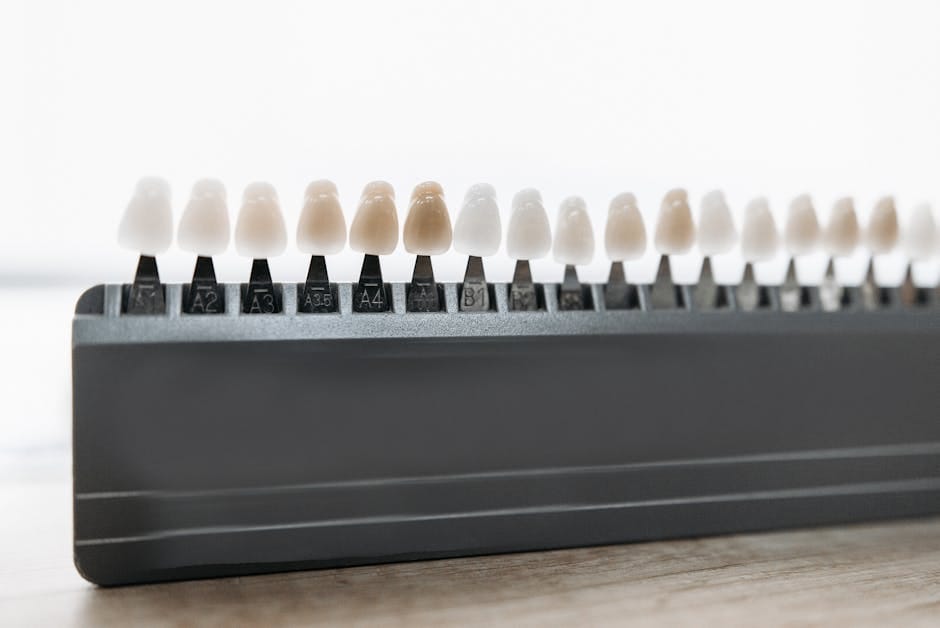
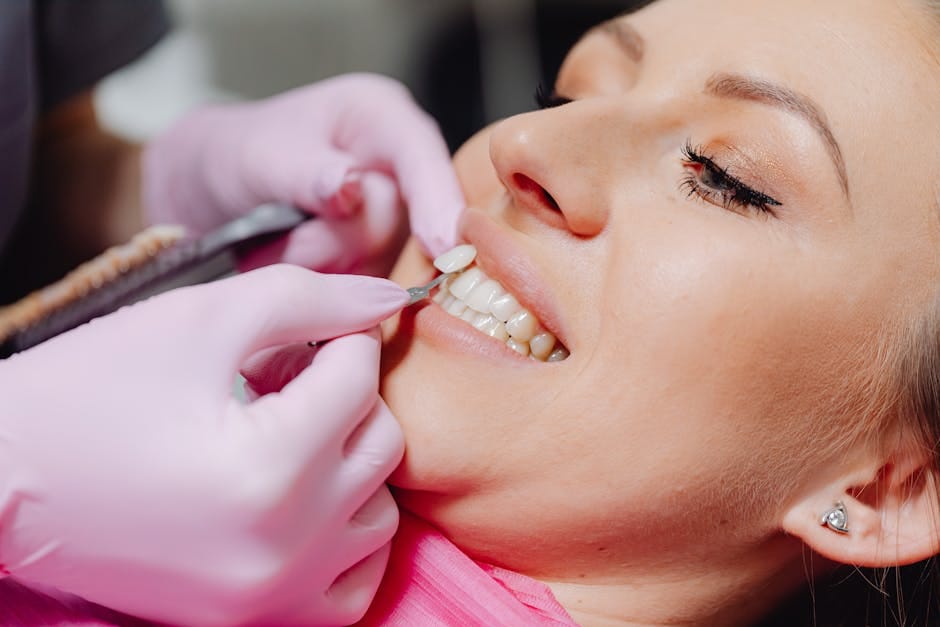
This design phase allows patients to visualise outcomes before treatment begins, often using digital previews or shade guides.
Are Multiple Visits Required?
In most cases, veneer treatment is planned across more than one appointment. This staged approach supports accuracy and comfort rather than rushing the process.
Instead of viewing veneer treatment as a single cosmetic session, it is more accurate to think in terms of clearly defined treatment steps spread over time.
| Planning Approach | Patient Experience |
|---|---|
| Separate design and placement visits | Clear expectations and reduced pressure |
| Time between appointments | Opportunity to review and adjust plans |
| Final placement session | Focused, precise treatment |
This structure helps patients remain involved in decision-making throughout the process.
How Planning Supports Comfort and Confidence
Beyond aesthetics, structured planning plays an important role in patient comfort. Knowing what will happen, when decisions are made, and how results are achieved allows patients to approach treatment with greater reassurance.
Carefully planned veneer treatment balances appearance, function and durability, avoiding overly aggressive cosmetic changes. As a result, patients often describe the experience as controlled and predictable rather than rushed or uncertain.
A Note on Individual Treatment Plans
While these steps reflect common practice, veneer planning always remains patient-specific. Final decisions are adjusted based on clinical findings and personal goals, ensuring that treatment remains appropriate and sustainable in the long term.
This personalised yet structured approach is what allows dental veneers to deliver refined, natural results rather than short-term cosmetic fixes.
Clinical Safety and Hygiene Standards in Veneer Treatment
For patients considering dental veneers, understanding how clinical hygiene and safety standards are applied is essential to feeling confident and well informed. Veneer treatment involves close contact with tooth surfaces and oral tissues, which makes strict infection-control protocols a fundamental part of safe and predictable care. Regulated dental clinics in Turkey operate under clearly defined health standards, and Lara Smile applies these requirements consistently across all veneer procedures.
Rather than being limited to a single step, hygiene measures are integrated into every stage of veneer treatment, from initial assessment to final placement. This ensures that aesthetic outcomes are achieved within a controlled and clinically safe environment.
Instrument Sterilisation and Autoclave Protocols
All dental instruments used during veneer preparation and placement undergo high-temperature, medical-grade sterilisation using validated autoclave cycles. These cycles are designed to eliminate bacteria, viruses and spores by reaching precise temperature and pressure thresholds. Each sterilisation cycle is documented, logged and routinely monitored to ensure compliance with Ministry of Health requirements.
Sterilised instruments are sealed and stored safely until they are opened for the next patient, ensuring that tools remain uncontaminated throughout every stage of veneer care.
Single-Use Materials and Protective Barriers
To minimise any risk of cross-contamination, Lara Smile uses single-use consumables during patient-facing veneer procedures. These items are disposed of immediately after each appointment.
Single-use materials typically include:
gloves and masks
suction tips
protective bibs
barrier films for equipment and working surfaces
This approach ensures that materials in direct contact with patients are fresh, sterile and uncompromised at every visit.
Treatment Room Disinfection Between Appointments
Veneer treatment rooms are fully disinfected between patients using medical-grade cleaning solutions designed for dental environments. High-contact areas such as dental chairs, light handles, tray surfaces and control panels receive additional attention throughout the day.
This routine process ensures that each veneer appointment takes place in a controlled, hygienic and predictable setting, aligned with international infection-control standards.
Certified Materials Used in Veneer Treatments
All restorative and aesthetic materials used for veneers carry CE and ISO certifications, confirming that they meet established European safety and biocompatibility requirements. These certifications apply to veneer materials, bonding agents and related restorative components.
Certified materials ensure:
predictable clinical performance
patient safety and tissue compatibility
traceability and quality control
Staff Training and Ongoing Compliance
Dental and support staff at Lara Smile undergo continuous training in hygiene procedures, sterilisation updates and clinical safety protocols. This ensures that all team members follow the same evidence-based standards during veneer treatments.
Regular inspections by health authorities further confirm that sterilisation workflows, documentation practices, equipment maintenance and clinical protocols meet national and international expectations.
How Hygiene Supports the Veneer Treatment Experience
From the first consultation to the final placement of veneers, hygiene protocols support:
a safe environment for aesthetic procedures
predictable, standardised clinical workflows
reassurance for international patients
a strong foundation for long-term treatment success
For patients travelling from abroad, visible and well-structured hygiene practices provide confidence that every stage of veneer care—diagnostic, preparatory and aesthetic—takes place within a regulated and professionally controlled clinical setting.
Conclusion
Choosing dental veneers is ultimately about finding the right balance between aesthetics, durability and long-term oral health. As this guide has outlined, veneer treatment is not a single cosmetic decision but a process shaped by material choice, tooth design and careful colour selection. When these elements are considered together, veneers can deliver natural-looking results that complement both facial features and individual expectations.
Understanding the differences between veneer types, shapes and shades helps patients approach treatment with clarity and confidence. Rather than focusing solely on appearance, informed planning allows realistic outcomes to be set from the start, reducing uncertainty and supporting satisfaction over time.
Dental veneers are most successful when they are planned thoughtfully and personalised, rather than chosen quickly or based on trends. With professional guidance, patients can select options that suit their lifestyle, budget and aesthetic goals while preserving healthy tooth structure.
By taking the time to understand how veneers work and what each choice involves, patients are better positioned to make well-informed decisions and to view smile enhancement as a considered, long-term investment rather than a short-term cosmetic change.
If you would like personalised advice, a professional consultation can help determine which veneer options are most suitable for your smile.
Frequently Asked Questions
Dental veneers are thin, custom-made shells placed on the front surface of teeth to improve their appearance. They are commonly used to address discolouration, uneven tooth shape, small gaps, chips or worn enamel, helping create a more balanced and natural-looking smile.
Composite veneers are made from a tooth-coloured resin and are often applied in a single visit. Porcelain veneers are fabricated in a dental laboratory and typically require more than one appointment. Porcelain veneers are generally more durable and stain-resistant, while composite veneers are usually more affordable.
The lifespan of veneers depends on the material used and oral care habits. Porcelain veneers often last between 10 and 15 years or longer with proper care. Composite veneers typically last 5 to 7 years, though they may require more maintenance over time.
When planned and applied correctly, veneers are designed to preserve as much natural tooth structure as possible. Some enamel reduction may be necessary, but this is kept minimal and carefully controlled to support long-term dental health.
Not every patient is a suitable candidate for veneers. Factors such as enamel condition, bite alignment, oral hygiene and underlying dental health are assessed during consultation to determine whether veneers are appropriate.