 +90 532 379 97 07

Dental implants remain one of the most reliable and widely accepted solutions for replacing missing teeth. As we enter 2026, patients considering dental implants in Turkey are no longer focused solely on affordability. Instead, decision-making increasingly revolves around digital planning accuracy, clinical safety, and long-term success rates.
For patients travelling from the United Kingdom and Europe, implant treatment in Turkey offers a structured alternative to long waiting times and high private costs—provided that treatment is planned carefully and delivered according to modern clinical standards.
This article provides a clear, practical overview of how dental implant treatment is typically planned in Turkey in 2026, what patients should understand about safety and longevity, and how digital dentistry has reshaped implant outcomes.
Understanding Dental Implants in Modern Dentistry
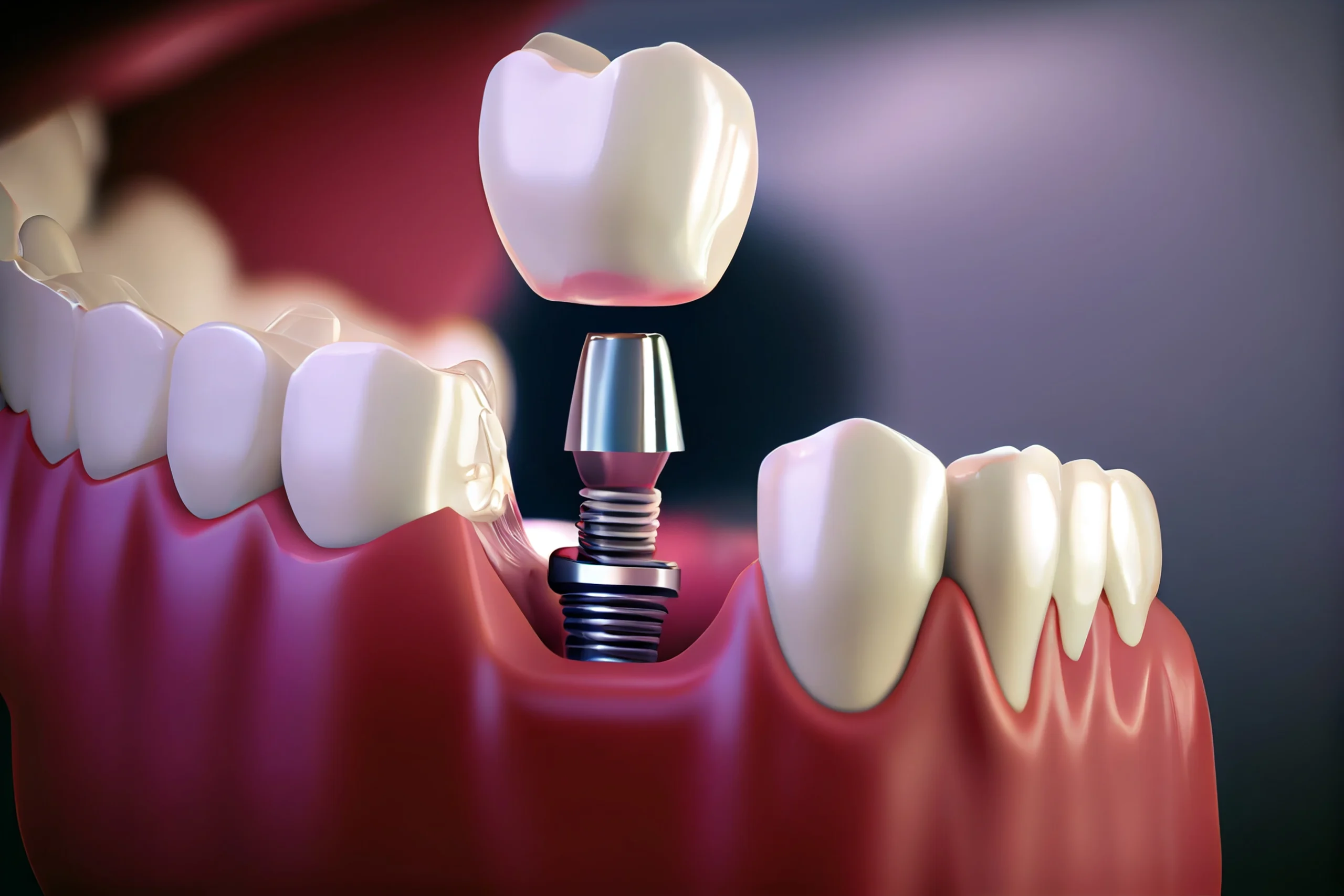
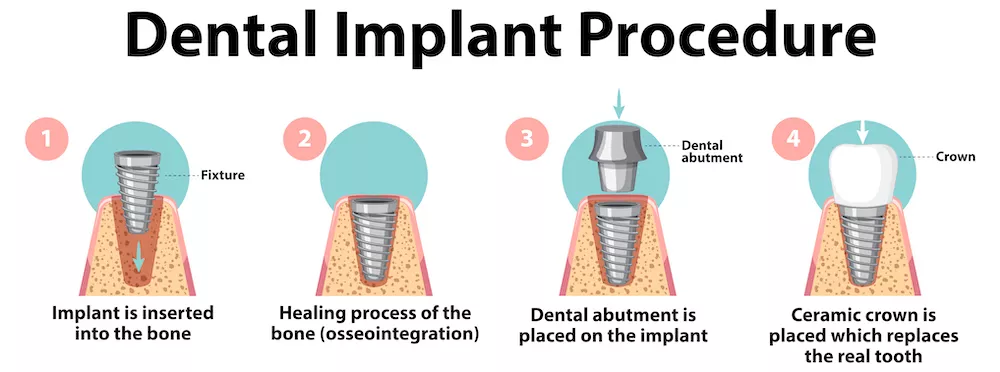
A dental implant is a medical-grade titanium or titanium-alloy fixture placed into the jawbone to replace the root of a missing tooth. Once integrated with the bone, it supports a crown, bridge or full-arch restoration.
In modern implant dentistry in Turkey, implants are no longer planned using estimation alone. Digital diagnostics, three-dimensional imaging and computer-guided workflows now form the foundation of predictable implant treatment.
This shift has significantly improved:
Placement accuracy
Patient comfort
Healing predictability
Long-term implant stability
Why Turkey Is a Leading Destination for Dental Implants in 2026
Turkey continues to be a major destination for implant treatment due to a combination of structural and clinical factors:
Advanced private dental infrastructure
Dentists trained in internationally aligned implant protocols
Widespread use of digital diagnostics
Competitive pricing without reduced material standards
For UK patients, this means access to implant care that aligns with European clinical expectations—often delivered in a more time-efficient manner.
Digital Implant Planning: The Standard in 2026
One of the most important developments in dental implants Turkey 2026 is the routine use of digital implant planning.
CBCT and 3D Imaging
Before implant placement, dentists typically use Cone Beam Computed Tomography (CBCT) to assess:
Bone volume and density
Anatomical structures such as nerves and sinuses
Optimal implant positioning
This imaging allows implants to be placed with millimetre-level precision rather than visual estimation.
Guided Implant Surgery
In many cases, digital planning leads to guided implant surgery, where a surgical guide is created based on the patient’s anatomy.
Benefits include:
Reduced surgical trauma
Shorter procedure time
Increased placement accuracy
Improved post-operative comfort
Guided surgery is particularly relevant for patients seeking predictable outcomes with minimal disruption.
Types of Dental Implant Treatments in Turkey
Implant treatment is not a single procedure but a category of solutions tailored to clinical need.
Single-Tooth Implants
Used to replace one missing tooth without affecting neighbouring teeth. This approach preserves natural tooth structure and restores function independently.
Multiple Implants and Bridges
When several teeth are missing, implants may support fixed bridges, reducing the need for individual implants while maintaining stability.
Full-Arch Implant Solutions (All-on-4 / All-on-6)
For patients with extensive tooth loss, full-arch implant systems provide fixed teeth supported by a limited number of implants. These solutions require advanced planning and precise execution.
Bone Assessment and Grafting Considerations
Long-term implant success depends heavily on bone quality. In some cases, bone grafting or sinus lifting may be required to create a stable foundation.
In 2026, implant planning in Turkey typically includes:
Digital bone analysis
Conservative grafting strategies
Staged treatment when necessary
These steps are not shortcuts but safeguards for long-term stability.
Implant Materials and Certifications
Reputable dental clinics in Turkey use CE- and ISO-certified implant systems, ensuring biocompatibility and traceability.
Certified implants offer:
Proven integration with bone
Long-term clinical data
Compatibility with standard prosthetic components
Material choice is a clinical decision, not a branding exercise.
Hygiene, Sterilisation and Clinical Safety
Safety remains one of the primary concerns for international patients.
Implant treatment at regulated clinics includes:
Medical-grade autoclave sterilisation
Single-use surgical consumables
Controlled surgical environments
Continuous staff training
These protocols align with Turkish Ministry of Health regulations and international infection-control standards.
Recovery and Aftercare: What Patients Should Expect
Implant surgery is typically followed by a healing phase during which the implant integrates with the bone.
Patients are usually advised on:
Oral hygiene practices
Temporary dietary adjustments
Follow-up timelines
Long-term maintenance
Clear aftercare guidance is essential for implant longevity.
Longevity and Success Rates of Dental Implants
When properly planned and maintained, dental implants demonstrate high long-term success rates.
Factors influencing longevity include:
Bone quality
Implant placement accuracy
Oral hygiene
Regular dental follow-up
Implants are not “fit-and-forget” solutions; they require responsible maintenance similar to natural teeth.
Why UK Patients Choose Dental Implants in Turkey
Patients from the UK increasingly consider implant treatment abroad due to:
Reduced waiting times
Predictable treatment timelines
Transparent pricing
Access to modern digital dentistry
Turkey’s combination of clinical expertise and infrastructure supports this demand when treatment is delivered ethically and professionally.
Conclusion
In 2026, dental implants in Turkey represent more than a cost-saving option. They reflect a shift towards digitally planned, safety-focused and outcome-driven dentistry.
When implant treatment is based on detailed diagnostics, certified materials and structured aftercare, it offers a reliable, long-term solution for tooth replacement. Patients who understand the planning process and clinical principles behind implant dentistry are better positioned to make confident, informed decisions.
Dental implants are most successful when approached as a long-term investment in oral health—planned carefully, executed precisely and maintained responsibly.
How Dental Implants Are Planned for Predictable, Natural Results
One of the defining features of modern implant treatment is that it is carefully planned in advance, rather than decided during a single surgical appointment. Dental implants are not placed as a generic tooth replacement solution; instead, they are planned around individual bone structure, anatomical conditions and functional requirements. This structured approach supports predictable outcomes while protecting surrounding teeth, bone and oral tissues.
For patients considering dental implants, this planning process plays a critical role in comfort, safety and long-term success. Before treatment begins, dentists typically assess three-dimensional imaging, digital scans and bone quality to determine whether implant placement is suitable and which implant system, position and restoration design will deliver the best result. This allows expectations to be aligned early and reduces uncertainty throughout the treatment journey.
Advance planning does not involve rigid surgical templates applied without consideration. On the contrary, it provides a clear clinical framework that supports personalised decision-making and realistic outcomes. By balancing function, stability and oral health with restorative aesthetics, implant treatment becomes a controlled, methodical process—one that prioritises long-term integration, durability and patient confidence rather than short-term restoration alone.
Conclusion
Choosing dental implants is ultimately about achieving the right balance between function, stability and long-term oral health. As this guide has outlined, implant treatment is not a single surgical procedure but a carefully planned process shaped by bone condition, implant type, placement accuracy and appropriate restoration design. When these elements are considered together, dental implants can provide reliable, natural-feeling results that restore both chewing function and confidence.
Understanding the differences between implant systems, surgical approaches and restorative options helps patients approach treatment with clarity and realistic expectations. Rather than focusing solely on tooth replacement, informed planning allows outcomes to be defined from the outset, reducing uncertainty and supporting long-term success.
Dental implants deliver the best results when treatment is personalised and clinically justified, rather than chosen quickly or based on short-term considerations. With professional guidance, patients can select implant solutions that suit their oral condition, lifestyle and long-term needs while protecting surrounding teeth and bone structure.
By taking the time to understand how implant treatment works and what each stage involves, patients are better positioned to make informed decisions and to view dental implants as a long-term investment in oral health rather than a temporary restorative solution.
If you would like personalised advice, a professional consultation can help determine which implant options are most suitable for your individual dental needs.
Frequently Asked Questions
Dental implants are medical-grade titanium fixtures placed into the jawbone to replace missing tooth roots. Once integrated with the bone, they support crowns, bridges or full-arch restorations, restoring both function and appearance.
Dental implants are considered a safe and well-established treatment when planned and placed by qualified dentists using certified materials. Long-term safety depends on proper planning, hygiene standards and patient aftercare.
With good oral hygiene and regular dental check-ups, dental implants can last several decades and often for life. The longevity depends on bone quality, placement accuracy and maintenance.
Implant placement is usually performed under local anaesthesia, making the procedure itself comfortable. Mild discomfort or swelling may occur after surgery, but this is typically manageable with standard aftercare.
Most adults with good general health and sufficient jawbone are suitable candidates. Final suitability is determined after clinical examination, digital imaging and assessment of oral health.