 +90 532 379 97 07
Dental implants are a reliable and long-lasting solution for replacing missing teeth. However, the success of treatment depends not only on surgery but also on proper Dental Implants Maintenance. Good oral hygiene, regular dental check-ups, and healthy habits help keep implants stable. Proper aftercare prevents plaque buildup and protects the surrounding gums and bone.
Stages of Dental Implant Treatment
Understanding the stages of implant treatment helps explain why aftercare matters at every step.
Stage 1 — Consultation and Planning
Before implant placement, your dentist performs a full assessment of your oral health. This usually includes digital X-rays and 3D scans to evaluate bone density and gum condition.
If necessary, additional procedures such as bone grafting or a sinus lift may be recommended to prepare the jaw for the implant.
A personalised treatment plan is then created based on your needs.
Durability and Longevity: With appropriate daily care and routine dental follow-ups, implants are designed to remain comfortable, functional and stable as a long-term part of oral health.
Stage 2 — Implant Placement
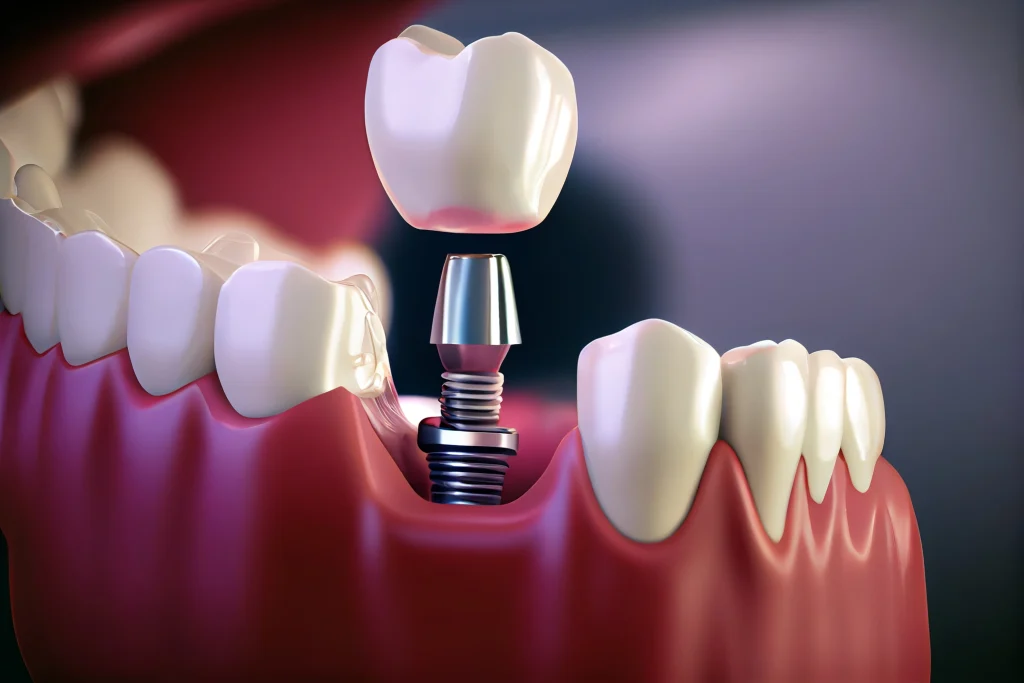
During the surgical stage, a small titanium post is placed into the jawbone under local anaesthesia or sedation.
Titanium is used because it is biocompatible and capable of bonding naturally with bone.
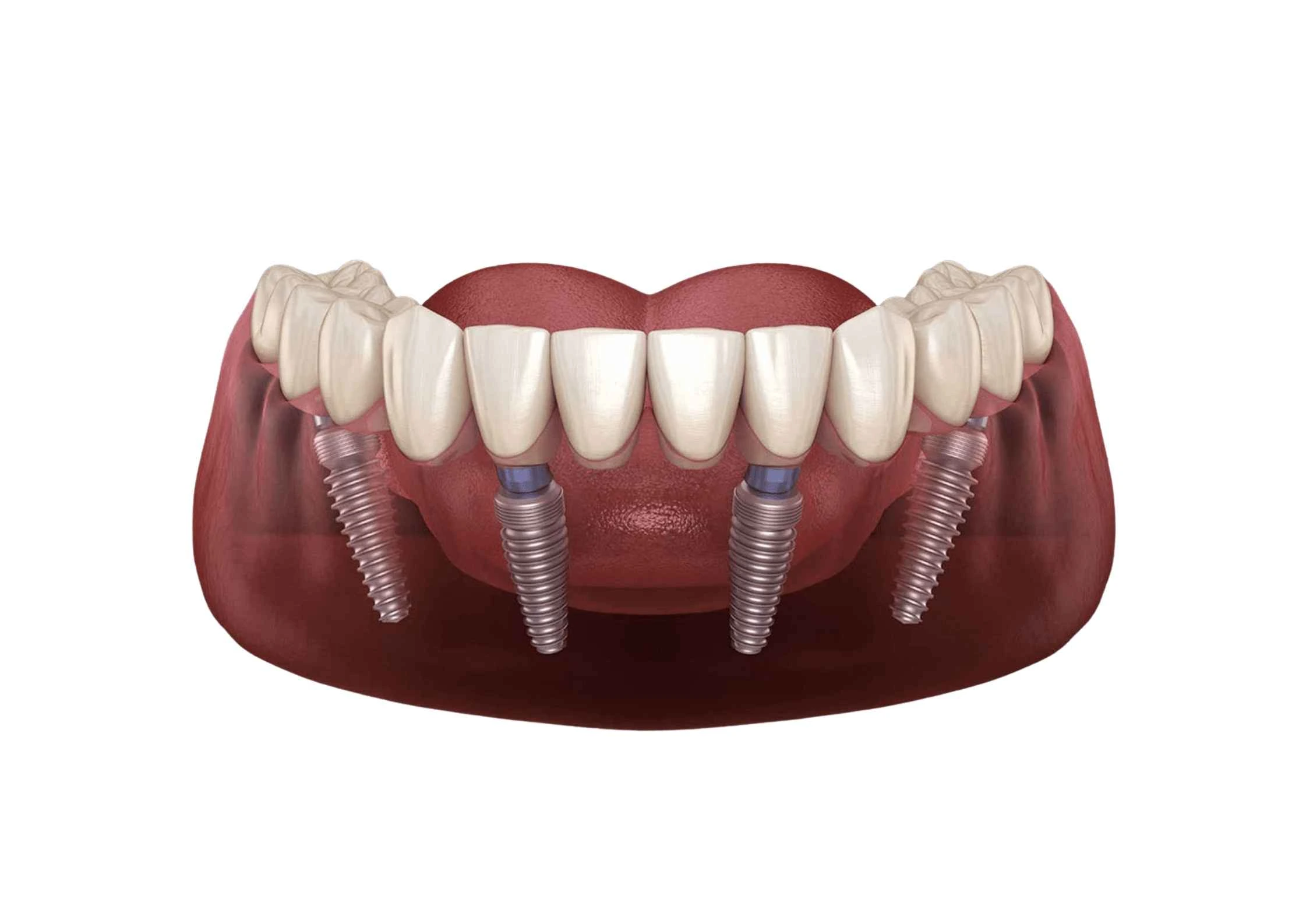
For full-arch treatments:
All on 4 implants use four implants to support a full set of teeth.
All on 6 implants use six implants for additional stability and support.
Temporary teeth may sometimes be fitted on the same day.

Stage 3 — Osseointegration
The healing phase following implant placement is called osseointegration.
During this process, the titanium implant gradually fuses with the jawbone. This usually takes between three and six months.
This stage is crucial. If the healing process is disrupted by infection, smoking, or poor oral hygiene, the implant may fail to integrate properly.
Stage 4 — Final Restoration
Once the implant has fully integrated with the bone, a permanent crown, bridge, or full-arch prosthesis is attached.
This is when the implant begins functioning like a natural tooth — and when long-term maintenance becomes essential.

Immediate Aftercare After Implant Surgery
The first few days after implant surgery are important for protecting the surgical site and allowing the body to begin healing.
What You Should Do
• Bite gently on gauze to control bleeding
• Use ice packs on the cheek for the first 48 hours
• Take prescribed medication exactly as instructed
• Rest and keep your head elevated when lying down
• Eat soft foods such as yoghurt, soup, eggs, and smoothies
• Begin gentle salt-water rinses after the first 24 hours
What You Should Avoid
• Do not rinse vigorously during the first day
• Avoid drinking through a straw
• Do not smoke
• Avoid alcohol for at least 48 hours
• Avoid strenuous physical activity for several days
• Do not chew directly on the implant site
These precautions protect the blood clot and allow the gum tissue to heal properly.
The First Weeks of Healing
Healing continues for several weeks after surgery.
Days 1–3
Some swelling, bruising, and minor bleeding are completely normal. Swelling usually peaks around the second or third day before gradually reducing.
Cold compresses and prescribed medication help manage discomfort.
Days 4–14
During this phase the gums begin healing more actively.
You can gradually return to a more varied diet but should still avoid hard or crunchy foods.
Gentle brushing around the implant area can usually begin during this stage.
Weeks 3–6
By this stage, the implant site should feel much more comfortable.
However, the bone is still bonding with the implant beneath the surface. Good hygiene and regular check-ups remain essential.
Real Patient Testimonials
Emma, Years 64, City London
I was quoted £15,000 in the UK. At Lara Smile, I got it all done for a third of the price plus a holiday!
Bernd, Years 59, City Berlin
I couldn’t chew properly for years. After All on 6, I eat steak again and feel 20 years younger.”
Frequently Asked Questions (FAQs)
During the first 24–48 hours, stick to soft foods such as yoghurt, mashed potato, smoothies, scrambled eggs, or soup.
Gradually reintroduce normal foods over the following weeks while avoiding hard or crunchy items.
Yes. Although implants cannot develop cavities, plaque can accumulate around the surrounding gum tissue.
If plaque is not removed properly, infection around the implant can occur.
With proper care, dental implants can last for decades.
Many implants remain functional for 20 years or longer when patients maintain good oral hygiene and attend regular dental visits.
Yes. Mild swelling and bruising are common during the first few days.
However, severe swelling or fever should be evaluated by your dentist.
The Lara Smile team is ready to sort it out efficiently, affordably, and comfortably.
📍 Address: Güzeloba, Lara Turizm Yolu, 07230, Muratpaşa/Antalya
📞 24/7 Emergency WhatsApp: +90 532 379 97 07
🌐 Web: larasmile.com
📧 Email: info@larasmile.com
Lara Smile Dental Clinic: Your Treatment in Antalya, Your Security in London.