 +90 532 379 97 07
Implant dentistry has continued to evolve in 2026, with improved materials, refined implant surfaces and increasingly digital planning workflows. For patients considering treatment in Turkey, the key is understanding what technologies exist, what they realistically change, and what drives overall cost.
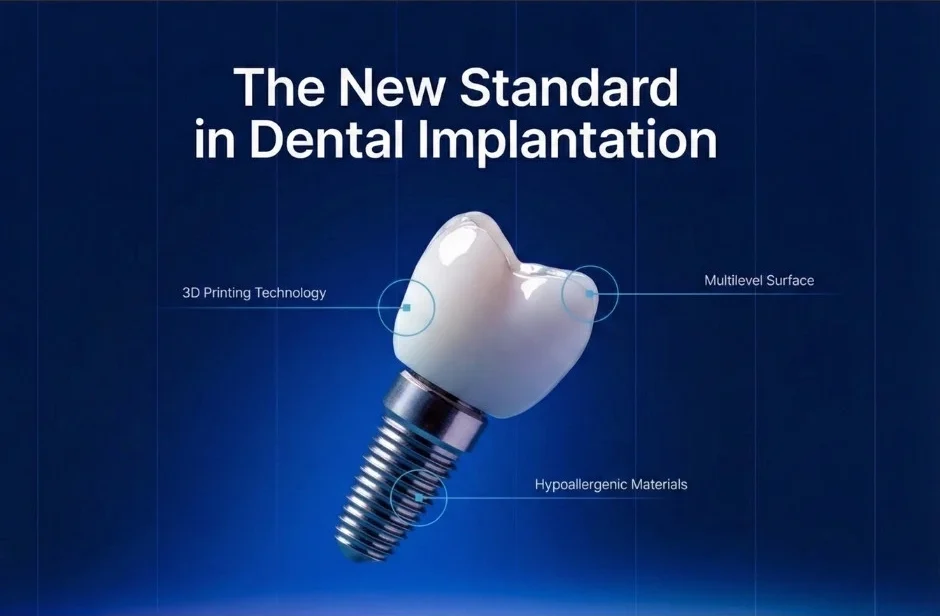
1- Innovations in Scientific Research
Better materials
Implant systems are no longer limited to “standard titanium only” designs. Depending on the case and clinician preference, materials and surface technologies may include:
Zirconia implants: metal-free, tooth-coloured options that may be considered for patients with specific metal sensitivities or aesthetic priorities.
Titanium–zirconium alloys: higher-strength alloys designed to support challenging bone conditions and narrower implant designs.
Nano-modified surfaces: engineered to encourage faster and more predictable bone integration in suitable cases.
Antimicrobial surface approaches: coatings or surface treatments intended to reduce bacterial adhesion and support peri-implant health.
In Antalya and across Turkey, many modern dental clinics offer advanced implant systems and contemporary planning workflows.
Durability and Longevity: With appropriate daily care and routine dental follow-ups, implants are designed to remain comfortable, functional and stable as a long-term part of oral health.
2- Digital Technologies in Implant Dentistry
3D imaging (CBCT)
Many clinics now use 3D cone-beam CT (CBCT) to evaluate bone volume, anatomy and critical structures, helping clinicians plan implant positioning with high precision.
3D printing
3D printing is widely used for surgical guides and, in some workflows, for provisional restorations and components. This can improve fit, reduce chair time and increase predictability—when the case is appropriate.
Photogrammetry (especially full-arch cases)
For full-arch restorations, photogrammetry can capture implant positions with very high accuracy, supporting precise design and manufacturing of the final prosthesis.
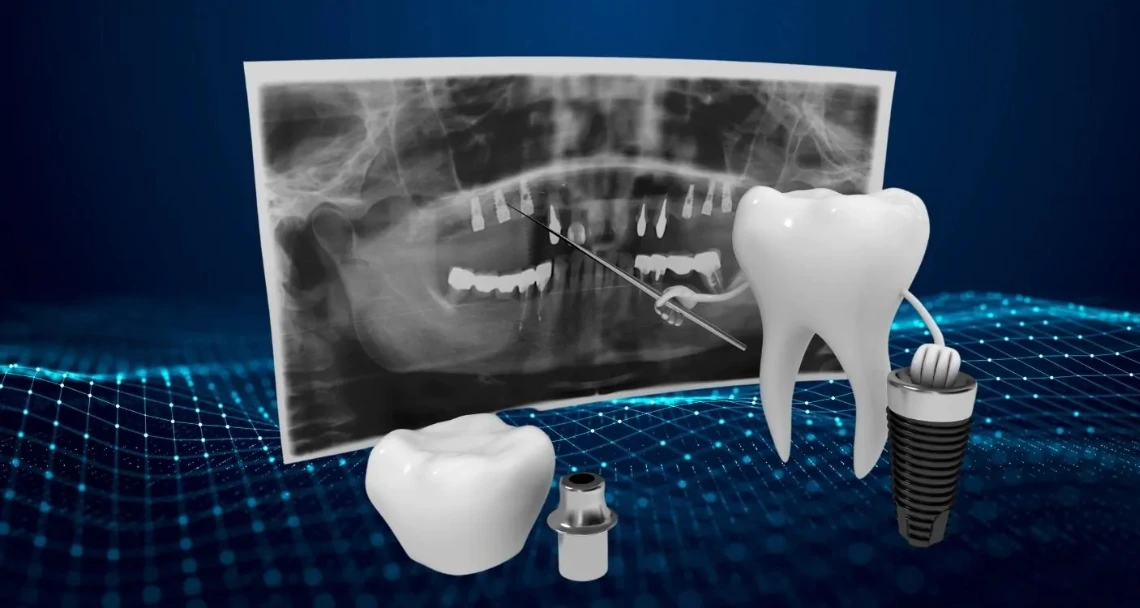
3- Smart Implants
A developing area is sensor-enabled (“smart”) implants, designed to monitor parameters such as load or temperature and support follow-up tracking. Availability and real-world clinical adoption vary by country, product line and regulatory pathway, so this is best discussed case-by-case with the treating clinician.
4- Less Invasive Surgical Approaches
Modern implant workflows often aim to minimise tissue trauma and shorten recovery time, for example:
Guided implant surgery: using digital planning and surgical guides for more controlled placement.
Immediate placement (selected cases): placing an implant at the time of extraction when clinical conditions allow.
Immediate provisional teeth (selected cases): in some cases, a temporary tooth/bridge may be fitted the same day.
Eligibility depends on bone quality, bite forces, infection status, systemic risk factors (e.g., smoking, diabetes), and the clinician’s protocol.
5- Three Leading Implant Brands Worldwide
Below are three widely recognised brands used in many countries, including Turkey. The “best” choice depends on anatomy, bite, aesthetics, risk profile and the restorative plan.
1) STRAUMANN (Switzerland)
Often positioned as a premium global brand with a strong evidence base and broad component ecosystem.
Notable technologies (product lines vary by market):
Roxolid® (titanium–zirconium alloy): designed for high strength and, in some cases, narrower implant options.
SLActive® surface: designed to support faster osseointegration in suitable cases.
BLX system: commonly discussed in immediate placement/loading protocols where clinically appropriate.
Typical positioning: rapid integration protocols and premium restorative workflows, subject to case selection.
2) NOBEL BIOCARE (Switzerland)
A major implant company with long clinical history and strong presence in full-arch solutions.
Notable technologies:
TiUnite® surface: extensively studied surface technology in implant literature.
NobelActive®: implant design commonly used for primary stability in selected bone conditions.
All-on-4® concept: full-arch solution using four implants in carefully planned configurations.
Typical positioning: full-arch rehabilitation and established long-term clinical documentation.
3) ZIMMER BIOMET (USA)
Frequently selected in complex restorative and surgical scenarios depending on clinician preference and availability.
Notable technologies:
Trabecular Metal™ (porous structure; specific product lines): designed to mimic cancellous bone architecture.
TSV system: a long-standing implant line in the Zimmer Biomet portfolio.
Typical positioning: options for complex cases and broad restorative pathways, depending on the treatment plan.


6- Dental Implant Prices in Turkey (2026)
Dental implant pricing in Turkey typically varies by:
City and clinic (Antalya, Istanbul, Izmir, etc.)
Implant brand and component selection (implant, abutment, prosthetic parts)
Whether the crown is included (and the material: zirconia, porcelain-fused-to-metal, etc.)
Need for additional procedures (bone grafting, sinus lift, extractions, temporary restorations)
Complexity (single tooth vs. multiple implants vs. full-arch)
Lara Smile Dental Clinic – Implant Package Format (example structure)
Single-tooth implant package (examples):
Straumann implant + abutment + porcelain crown (pricing: see larasmile.com)
Nobel Biocare implant + abutment + porcelain crown
Zimmer Biomet implant + abutment + porcelain crown
All-on-4 full-arch package (example):
Nobel Biocare All-on-4® concept
Pricing : https://larasmile.com/pricelist/
Packages may include (depending on the plan):
3D tomography and digital planning
Surgical procedure and implant placement
Temporary restoration where appropriate
Final crown/prosthesis
Follow-up appointments (timeframe varies)
Written warranty/guarantee documentation (terms vary)
Note: For accurate pricing and eligibility, a clinical assessment is essential.
Real Patient Testimonials
Emma, Years 64, City London
I was quoted £15,000 in the UK. At Lara Smile, I got it all done for a third of the price plus a holiday!
Bernd, Years 59, City Berlin
I couldn’t chew properly for years. After All on 6, I eat steak again and feel 20 years younger.”
Frequently Asked Questions (FAQs)
Pricing depends on brand, clinic, included components (abutment/crown), and whether additional procedures are required. Premium brands such as Straumann and Nobel Biocare are often priced higher.
Both are top-tier. The right choice depends on bone anatomy, restorative plan (especially full-arch), and clinician preference. A clinical examination and CBCT imaging are the correct basis for selection.
Once healing is complete, implants are designed to feel comfortable and function similarly to natural teeth during everyday activities such as eating and speaking.
With good oral hygiene, appropriate bite management and routine check-ups, implants can last many years. Longevity varies with systemic health, smoking status, gum health and maintenance.
A full-arch concept using four implants to support a fixed prosthesis in a planned configuration. Suitability depends on bone, bite and clinical risk factors.